Salt Lake City Utah Sugar House Furniture

Sugar House Furniture

Call: (801) 485-3606
×
  • Bedroom
    • Beds
    • Dressers & Chests
    • Night Stands
    • Mirrors
    • Miscellaneous
  • Dining
    • Trestle Tables
    • Pedestal Tables
    • Legged Tables
    • Cabinet Base Tables
    • Chairs
    • Barstools
    • Benches
    • Cabinets, Buffets, & Hutches
    • Sideboards & Servers
    • Mirrors
    • Miscellaneous
  • Living Room
    • Sofas & Loveseats
    • Chairs & Rockers
    • Entertainment Centers
    • Coffee Tables
    • Sofa Tables
    • End Tables
    • Display Cabinets
    • Fireplaces
    • Entryway Furniture
    • Mirrors
    • Miscellaneous
  • Office
    • Desks & Tables
    • Files & Cabinets
    • Bookcases
    • Office Chairs
    • Miscellaneous
  • Bathroom Vanities
  • Accessories
    • Clocks
    • Wall Hangings
    • Lamps & Lighting
    • Art Tiles, Frames, & Stands
    • Vases & Pottery
    • Rugs
    • Arts & Crafts Textiles
    • Mirrors
  • About Us
    • Our History
    • Blog
    • Reviews
    • Contact Us
  • Promotions

How Furniture Impacts Emotional Well-Being and Relaxation

Home / Archives for Furniture
How Furniture Impacts Emotional Well-Being and Relaxation

When designing a living or working space, most people let aesthetics, personal taste, and functionality guide their furniture selections. However, the psychological effects of furniture choices play a crucial role in shaping our overall well-being and relaxation. The way we interact with our surroundings can influence mood, productivity, and even stress levels. Understanding the psychology behind furniture can help create spaces that promote comfort and mental well-being.

Ergonomics and Physical Comfort

The ergonomics of furniture heavily influence a person’s well-being and relaxation. Poorly designed furniture can make you uncomfortable, more prone to developing poor posture, and even more susceptible to long-term health issues. For example, ergonomic chairs that provide proper lumbar support can help reduce back pain and improve overall posture, leading to increased comfort and productivity.

Additionally, furniture with adjustable features, such as height-adjustable desks or recliners, allows individuals to customize their seating or working positions, enhancing physical well-being. Investing in ergonomically sound furniture promotes well-being and relaxation, creates a sense of security, and reduces strain on the body.

Color Psychology and Emotional Influence

Colors play a significant role in our psychological responses to a space. The color of furniture can evoke emotions and set the tone for an environment. For instance:

Warm tones (reds, oranges, yellows): These colors create a cozy and inviting atmosphere that can also stimulate the senses. No matter the season, it is good to include warm-toned elements in a room. 

Cool tones (blues, greens, purples): Often associated with calmness and relaxation, these shades are ideal for creating a tranquil space. Blues and greens can soothe and earth tones can help you feel grounded. 

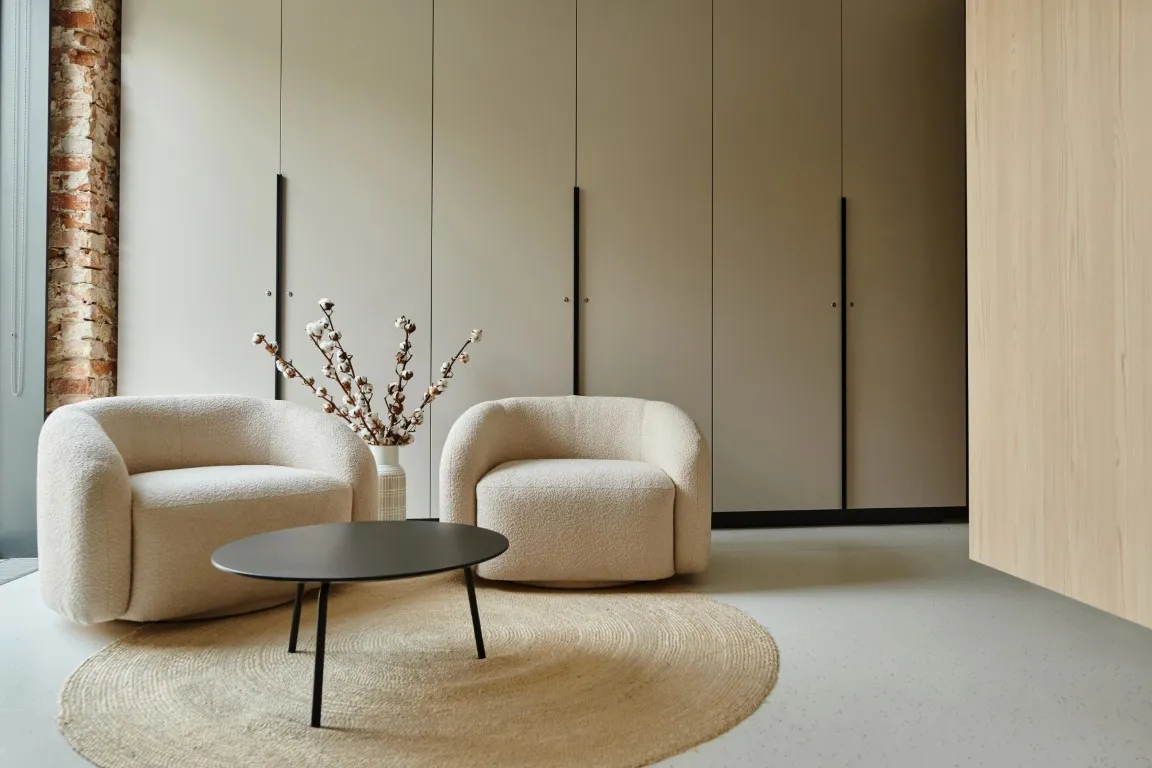
Neutral tones (beige, gray, white): These colors provide balance and can help create a minimalist and stress-free ambiance. They can also invoke a sense of sophistication and elegance. 

Selecting furniture in colors that align with the intended mood of a space can enhance emotional well-being and relaxation.

Material and Texture

The materials and textures used in furniture also contribute to comfort, well-being, and relaxation. Soft, plush fabrics like velvet or cotton create a sense of warmth and coziness. These materials also influence creative and informal thinking. 

Sleek, hard materials such as metal or glass may evoke a modern but sometimes impersonal feeling. These materials may also cause you to feel more energetic and restless because they stimulate your senses. 

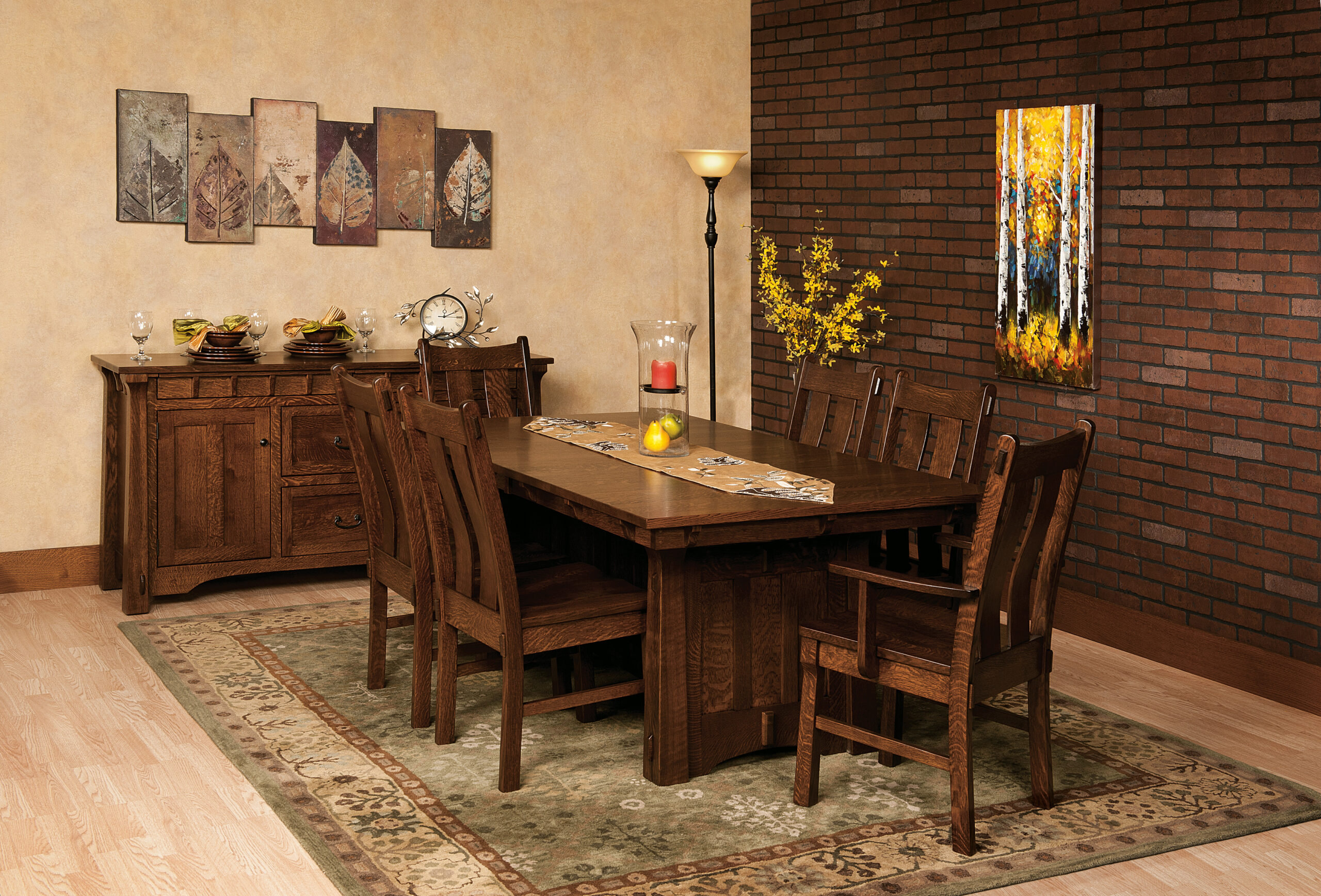
Natural materials like wood and bamboo have been found to have a calming effect, bringing an element of nature indoors that helps you feel grounded.

You may also want to consider smooth, rounded surfaces as opposed to sharp edges, as smooth surfaces make you feel calm, and sharp furniture brings a feeling of discomfort and tension. 

Overall, when designing or redecorating a space, incorporating varied textures can provide sensory richness, making a space feel more inviting and comfortable. Make sure to balance man-made materials with natural elements to make a space feel balanced. 
How Furniture Impacts Emotional Well-Being and Relaxation

Space Layout and Flow

The arrangement of furniture within a space affects not only physical movement but also mental clarity and relaxation. Cluttered spaces with excessive furniture can feel overwhelming and chaotic, while open layouts with well-placed furniture encourage a sense of spaciousness and ease. When arranging furniture, make sure to consider purpose and ease of movement within a space to help with well-being and relaxation.

Feng Shui principles suggest arranging furniture in a way that promotes balance and energy flow and removes obstacles that disrupt movement. Avoid blocking windows and doorways, incorporate nature, and arrange furniture to encourage connection in order to create a feng shui-balanced space. 

Zoning spaces for specific activities — such as a cozy reading nook or a dedicated work area — helps maintain a sense of order, focus, and functionality. It also helps reduce feelings of confusion. 

Personalization and Emotional Connection

What you put in a room will determine your emotional connection to that space. Personalized furniture choices can enhance well-being by making a space feel unique and meaningful. Incorporating furniture that holds sentimental value, such as heirloom pieces or custom-made items, fosters a sense of ownership, belonging, and comfort. 

Additionally, integrating elements of nature, such as plants or organic shapes, can further improve relaxation and reduce stress. The ability to personalize and adapt a space to individual preferences reinforces a sense of control, satisfaction, and joy. 

Use Furniture to Create Relaxing Spaces

Furniture is more than just functional — it impacts your psychological and emotional state. By considering ergonomics, color psychology, materials, layout, and personalization, you can design spaces that nurture emotional well-being and relaxation. Thoughtful furniture choices create environments where comfort is prioritized, ultimately improving your quality of life.

Filed Under: Furniture

minimalist vs. maximalist design

All design, fashion, and even lifestyle choices often fit into two dominant categories — minimalism and maximalism. These two styles stand at opposite ends of the spectrum and reflect every individual’s unique approach to self-expression. Whether you take comfort in simplicity or thrive in abundance, understanding minimalist vs. maximalist design can help you craft a space or create a look that truly resonates with your personality. 

What is Minimalism?

minimalist vs. maximalist design

Minimalism involves simplicity and owning few possessions. Minimalists believe you should only hold on to ideas and things you value most and remove distractions. Everything you own should be something you care about or have a purpose.  It’s about living life intentionally and freeing yourself from the need to have things that are unnecessary or don’t serve you. Most minimalist styles are influenced by Japanese and Scandinavian design principles.

Key Characteristics of Minimalist Design

Neutral Color Palette — Colors include white, beige, gray, and other earthy tones, which together create a sense of peace and serenity and help one feel grounded. Minimalists also embrace a monochromic color scheme and utilize bright colors as accents. Colors should be muted but still warm and inviting.

Decluttered spaces — Keep surfaces clean and free of unnecessary objects. Every item should serve a purpose or add aesthetic value. Incorporate one statement piece, such as monochrome photography or a neutral-toned piece of artwork. 

Quality over quantity — Instead of filling your space with lots of decor, opt for a few high-quality statement pieces. A minimalist home may include quality linen, leather, cotton, or wooden materials. 

Natural light and open space —  Minimalists enjoy open floor plans to create the illusion of more space; negative space allows breathing room. Maximize natural light with sheer curtains or large windows and maintain an airy layout. 

Hidden storage — Keep belongings out of sight with built-in shelves, cabinets, or multifunctional furniture. Minimalists enjoy decluttered spaces that have a sense of calm and order.

Challenges with Minimalist Design

Minimalism is great for those who thrive in simple, neutral environments, but it can present challenges. Minimalist spaces can feel cold, impersonal, or unbalanced with their lack of textures, colors, or personal touches. Since many minimalist designs follow the same principles, you may end up with spaces that feel generic. To avoid these issues, make sure to balance minimal spaces with warmth and personality. 

What is Maximalism?

minimalism vs. maximalism

Maximalism is a celebration of abundance; it’s the more is more mentality. It embodies bold colors, intricate patterns, and textures, and, instead of stripping away excess, maximalism embraces it — turning chaos into a beautifully orchestrated symphony of design. Some people may use this style to showcase their collections. Maximalism is big and bold — daring people to take risks. Joy is also a fundamental element of maximalism and it should be felt in every room of a home. The joy comes from the bold elements and strong personality-filled spaces. 

Key Characteristics of Maximalist Design

Colors — The maximalist color palette is made up of bold colors and deep, rich hues. Bold, vibrant patterns, such as animal print, geometric shapes, or florals are also popular in the maximalist space. 

Mix, don’t match — Spaces also combine multiple curated layers, and furniture may be varied, ornate, and mismatched to create a unique look and a curated, lived-in feel.

Statement pieces — Whether it’s a velvet sofa, an ornate mirror, or oversized artwork, every room should have a focal point that draws the attention of anyone entering the room. 

Layering is essential — Spaces also include multiple curated layers, utilizing rugs, throws, pillows, books, art, or other accessories to add depth and personality.

Personal touches — Display art, books, or collectibles that tell your unique story. Be brave in your choices; this is the time to be creative and embrace all facets of your personality. 

Challenges with Maximalist Design

Maximalism provides a fun playground for people who love bold, colorful, and layered spaces, but trying to design your home in a maximalist style can present challenges. Too many elements, colors, or patterns can create a chaotic or overwhelming experience and a space may feel cluttered rather than intentional. It may also require more maintenance, reduce functionality, and overwhelm friends or family. If you want a maximalist home, remember to be intentional with decorating. 

Which is Right for You? 

Do you love being bold and having collections? Or do you thrive in neutral, organized spaces? Maximalism is best for those who love to have fun and embrace abundance. Minimalism is best for those who want a functional, open, and clean home.

Whichever style you choose when it comes to minimalist vs. maximalist design, it should be a reflection of you and your personality. Decorate a space that makes you feel safe, calm, and happy. safe, calm, and happy. 

Filed Under: Furniture

Both Arts and Crafts and Craftsman styles of furniture have made their mark on American interior design since the mid 19th century. These classic styles have remained as prominent features and dependable pieces in people’s homes since, demonstrating their excellent style that lasts. Each type has its strengths, so understanding the differences can help you pick the aesthetic that best suits your style.

History

Though the style has some defining characteristics, Arts and Crafts emerged as a movement in response to the Industrial Revolution. People were longing for the uniqueness that hand-crafted furniture provided as factories mass-produced standardized furniture.

The movement began in Britain in the mid to late 19th-century as designers prioritized quality of not only function, but design and beauty. It made its way to the United States where Gustav Stickley developed a subset of the Arts and Crafts style known as Craftsman, where practicality, natural elements, and durability were valued.

Arts and Crafts vs. Craftsman: Picking the Perfect Fit For You

Both styles became less popular in the 1920s, as Art Deco and Modernism styles grew in popularity. By the mid-20th century, though, people were returning to the Arts and Crafts and Craftsman styles, incorporating the classic furniture into their rooms. Since then, they have become statement pieces that are commonly used in American homes.

Arts and Crafts Style

The Arts and Crafts style maintains some key characteristics that are apparent in each piece of furniture:

Arts and Crafts Style Furniture
  1. Handcrafted
    The charm and intentionality that is clear in handcrafted pieces is timeless. Being able to not only see the hand of the craftsman, but be able to appreciate the attention to detail, makes the Arts and Crafts style an exceptional choice.
  2. Simple But Functional Designs
    Though the designs themselves may not be the most ornate, having a practical design that fits into a person’s daily usage is always going to be dependable. Though the priority tends to be functionality, the pieces often still showcase some detail or uniqueness such as carvings or inlays.
  3. Quality Materials
    Though Arts and Crafts pieces may tend to be lighter than their counterparts, they by no means sacrifice quality furniture. Durable and quality materials – like oak, cherry, and walnut – result in sturdy furniture that will last a lifetime. 
  4. Natural Elements
    Arts and Crafts not only uses good quality items, but it also highlights and celebrates the beauty of it; using things like oils and stains, for instance, emphasize the natural grain of the wood. This style will also often incorporate designs or patterns inspired by nature, or demonstrate elements like hand-painted accents.

Craftsman Style

Though the Craftsman style may have some overlap with Arts and Crafts, there are some aspects that make these forms recognizable:

Arts and Crafts vs. Craftsman: Picking the Perfect Fit For You
  1. Geometric Designs
    While Arts and Crafts may have some more detail and design, Craftsman style keeps to more standardized, geometric shapes in their pieces.
  2. Sturdy Function
    Craftsman furniture can often be recognized by its more blocky build, including larger panels, wider legs, and slatted sides. These result in heavy, but very durable pieces, usually made with quarter sown oak.
  3. Minimal and Simple
    Though still incorporating natural and beautiful elements like Arts and Crafts furniture, Craftsman furniture tends to lend itself to functionality rather than ornamentation.

Picking the Right Style

Both the Arts and Crafts and Craftsman styles ground your home in timeless simplicity, each style offers its benefits for complementing your room’s aesthetic.

If you tend toward attention to detail, natural patterns, comfort, and influence from the Medieval or Gothic periods in your rooms, then Arts and Crafts is the way to go. If instead you prefer an open space, simple but functional furniture, minimalism, and bolder pieces, Craftsman furniture will more likely fit your needs.

At Sugar House Furniture, we have everything to suit your needs – from a wide range of handcrafted furniture with beautiful upholstery, to customizable pieces, you can make your space your own and express your unique style.

Filed Under: Furniture Tagged With: arts and crafts, craftsman, furniture, interior design, interior design tips, interior design trends, owning furniture, Utah furniture

« Previous Page
Next Page »

About

Sugar House Furniture provides finely-crafted mission furniture to residents throughout the Salt Lake City area, who are looking to add an extra touch of elegance and quality to their home.

2892 S. Highland Drive
Salt Lake City, Utah 84106
(801) 485-3606

Hours

Monday 10 AM - 7 PM
Tuesday 10 AM - 6 PM
Wednesday 10 AM - 6 PM
Thursday 10 AM - 6 PM
Friday 10 AM - 6 PM
Saturday 10 AM - 5 PM
Sunday Closed

SUBSCRIBE

Follow Us

Sugarhouse Furniture - Facebook Sugarhouse Furniture - Twitter Sugarhouse Furniture - Instagram Sugarhouse Furniture - Instagram

2026Sugar House Furniture | All Rights Reserved | Privacy Policy | Terms | XML Sitemap | Sitemap | Site by PDM