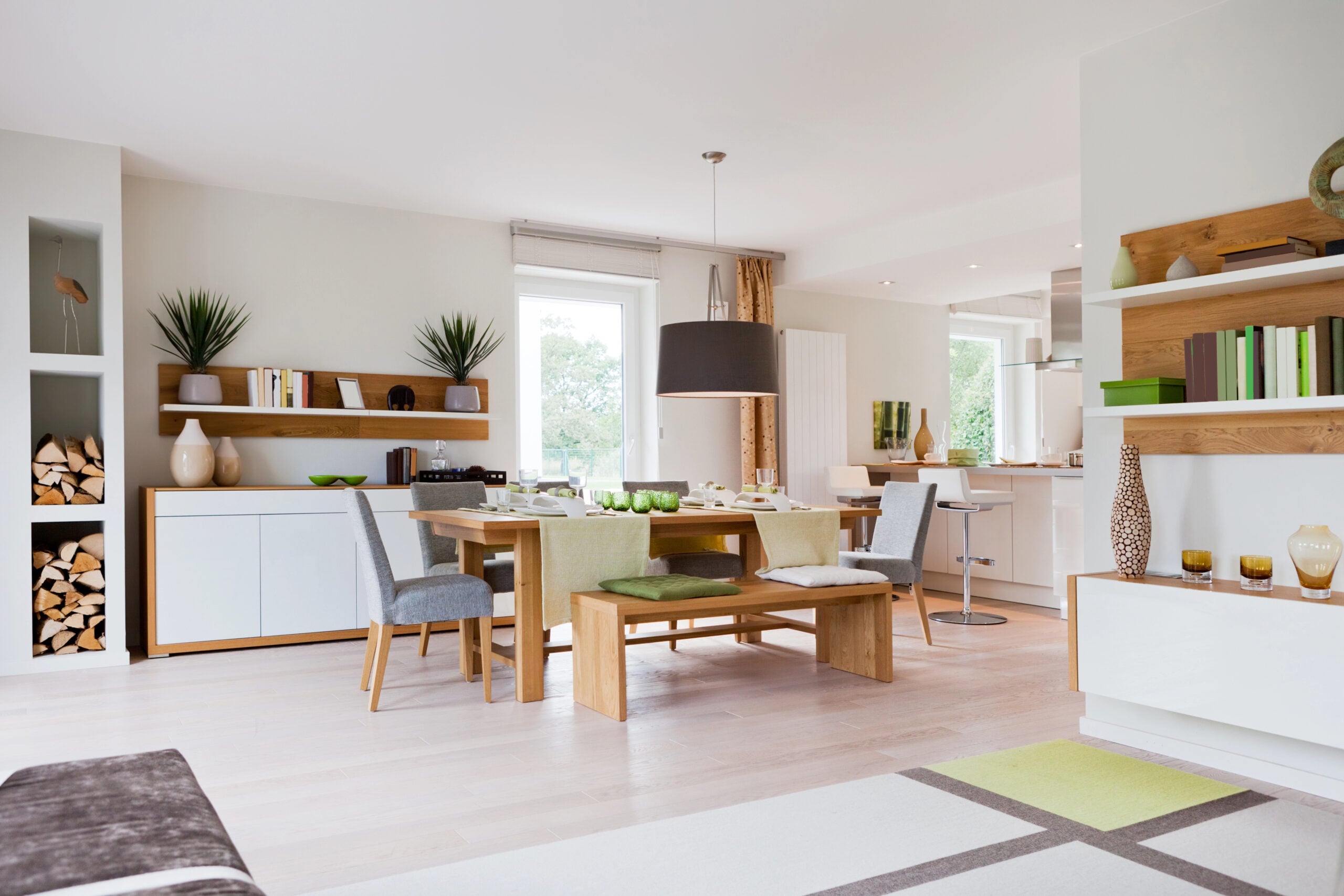
Have you ever walked into a room that looked nice but somehow felt a little flat? The furniture might be beautiful, the colors might coordinate, and everything might be in its place, but something is still missing. Often, that missing element is contrast. Contrast in interior design brings a room to life by combining different colors, textures, materials, and shapes to create visual interest.
The good news is that you do not need to completely redesign your home to achieve this effect. A few thoughtful choices can help your furniture stand out, add depth to your space, and create a more inviting atmosphere.

What is Contrast in Interior Design?
Contrast is the use of differences between design elements to make a room more visually appealing. This might mean pairing light walls with dark wood furniture, combining soft upholstery with solid wood, or placing a rounded accent chair beside a rectangular coffee table.
Without contrast, a room can feel monotonous, even when it contains beautiful pieces. On the other hand, too many competing elements can make a space feel chaotic. The goal is to find a balance that allows individual pieces to stand out while keeping the overall design cohesive.
1. Use Color Contrast to Create Visual Interest
Color is one of the easiest ways to introduce contrast in interior design. Pairing light and dark shades creates definition and helps important features stand out. For example, a dark wood dining table can look striking against light-colored walls, while a neutral sofa can provide the perfect backdrop for colorful throw pillows.
You can also use accent colors to add personality without overwhelming the space. Consider incorporating color through artwork, rugs, curtains, or decorative accessories.
If you prefer a neutral palette, contrast can still make a difference. Combining warm beige with crisp white, charcoal gray, or deep brown creates subtle variation while maintaining a timeless look. Repeating a few colors throughout the room will help everything feel connected.
2. Mix Textures and Materials
Contrast is not just about color. Different textures and materials can add warmth and dimension to make a room feel more comfortable and thoughtfully designed.
Try pairing solid-wood furniture with upholstered seating, a soft area rug, or textured curtains. You could also introduce metal accents, glass accessories, or woven baskets to complement the natural character of wood.
Handcrafted wood furniture is particularly effective because its grain patterns and natural variations add visual interest on their own. Pairing these details with softer materials creates a welcoming balance between sturdy, structured furniture and cozy surroundings.
3. Combine Different Furniture Styles and Finishes
A room does not need perfectly matching furniture to look coordinated. In fact, mixing styles and finishes can give your home a more personal, collected appearance.
For example, traditional Mission or Craftsman furniture can work beautifully with contemporary artwork, modern lighting, and simple decorative accessories. The clean lines and natural wood finishes of these furniture styles provide a timeless foundation for experimenting with other design elements.
You can also mix wood tones throughout a room. The key is to look for complementary undertones and repeat each finish somewhere else in the space. This helps different pieces feel intentional rather than mismatched.
4. Balance Shapes, Sizes, and Proportions
Furniture shapes and sizes are another opportunity to create contrast in interior design. Pairing substantial wood furniture with lighter accent pieces can keep a room from feeling too heavy. Rounded accessories, curved chairs, and soft upholstery can also soften the straight lines often found in traditional furniture.
Varying heights helps create visual movement, too. A tall bookcase, a lower sofa, and a medium-height side table give the eye different places to land.
However, contrast in interior design should not come at the expense of functionality. Make sure furniture fits the room, walkways remain clear, and each piece serves a purpose. Good proportions help contrasting elements feel balanced and comfortable.
5. Avoid Overdoing Contrast
Although contrast adds interest, too much can make a room feel disjointed. Combining too many bold colors, competing patterns, and unrelated furniture styles can make it difficult for any one element to stand out.
Start with one focal point, such as a beautiful dining table, a statement chair, or a distinctive wood bed frame. Build around that piece using complementary colors, textures, and accessories.
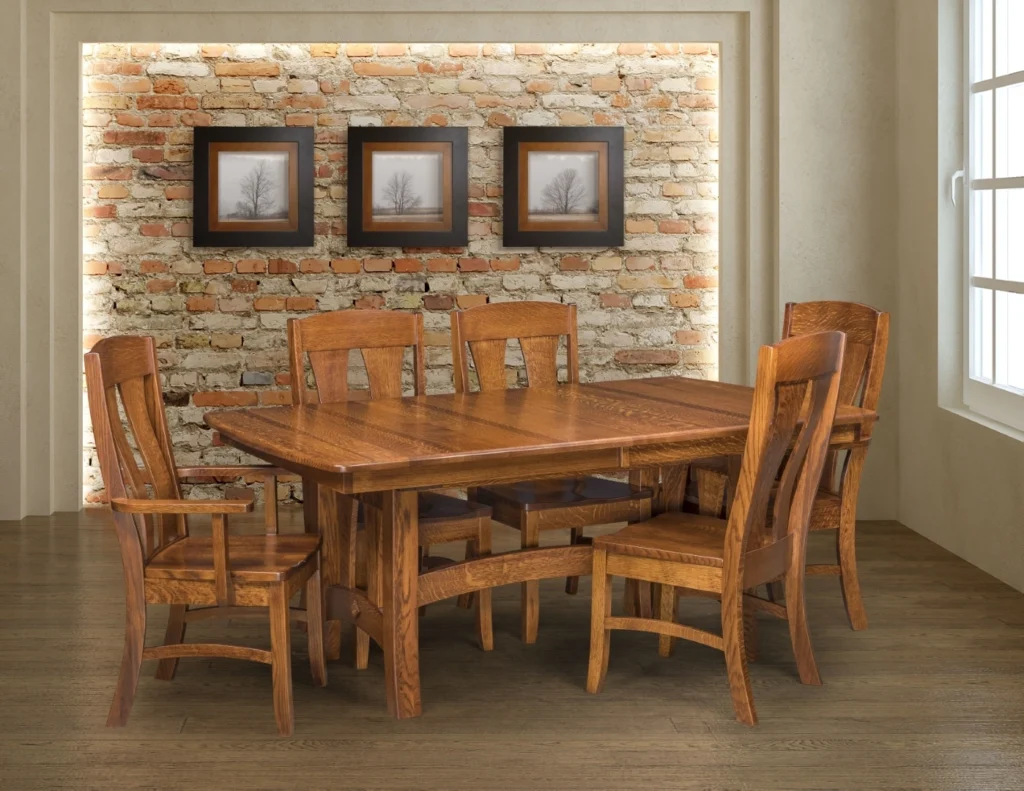
Repeating a few finishes or colors throughout the room will help tie everything together. You do not need every item to match; you simply want the different elements to feel like they belong in the same space.
Find the Perfect Furniture at Sugar House Furniture
At Sugar House Furniture, you can explore handcrafted solid-wood furniture designed to bring lasting character to your home. Whether you are furnishing a dining room, updating your living room, or searching for a bedroom centerpiece, the right furniture can provide a beautiful foundation for your design.
Visit Sugar House Furniture in Salt Lake City or browse the online selection to find pieces that complement your style and help bring your vision to life.